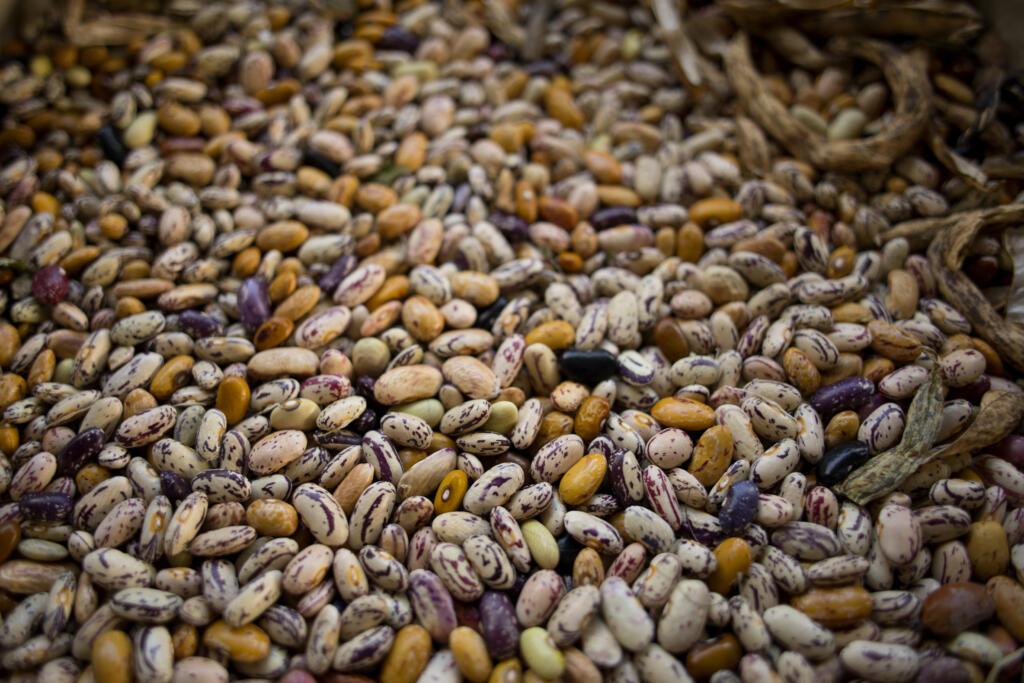
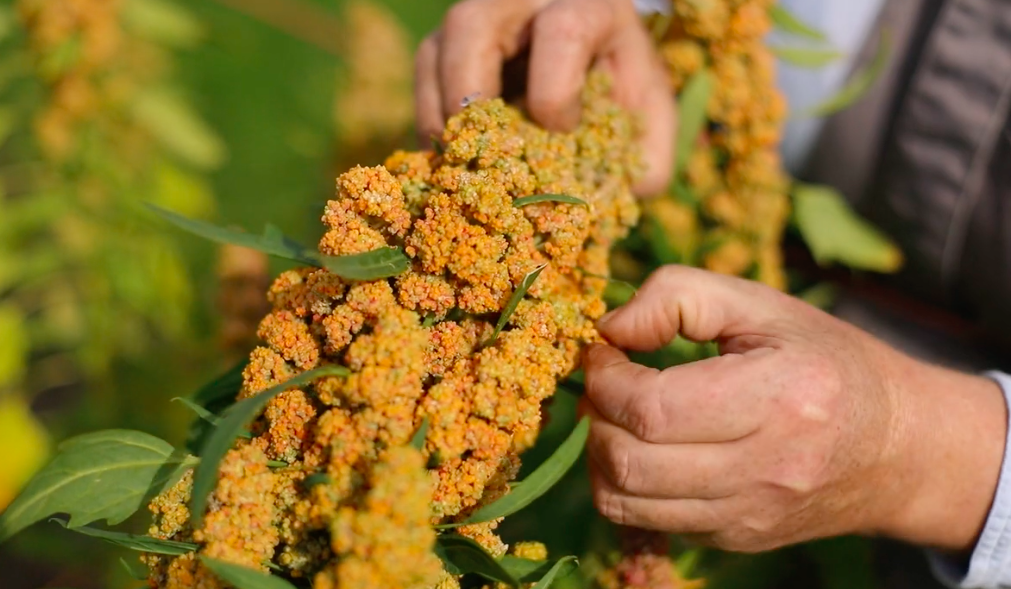
The Organic Seed Alliance have developed a comprehensive guide to seed saving, which outlines the basic knowledge needed for seed production, relevant to farmers and home gardeners alike. Click here to download the pdf.
For more in-depth guidance and information on seed saving, there are many books available.
As two of the most comprehensive books on commercial and organic seed production, we recommend…

The Seed Garden, by Seed Savers Exchange / Lee Buttala & Shanyn Siegel (also relevant to the home growers)

John Navazio’s The Organic Seed Grower (field-scale focus).
Also recommended:

Vegetable Seed Production, Raymond A.T. George

Breed Your Own Vegetable Varieties, Carol Deppe

The Seeds of Kokopelli, Dominique Guillet

Back Garden Seed Saving, Sue Stickland

The Seed Savers Handbook, Fanton & Fanton

The Manual of Seed Saving, Andrea Heistinger with Arche Noah & Pro Specie Rara

Seed to Seed, Suzanne Ashworth
Transition Black Isle in Scotland has a good growing guide and a section on seed production relevant to those growing further up North.
To see more videos and webinars, click here
For inspiration and insight into the journeys of seed producers in North America, listen to these Farmer to Farmer podcasts with:
For quick reference information on diseases and pests you can visit the AHDB website (not organic but useful information). Their Crop Walkers Guides are useful to refer to crop specific issues. (relevant to to the home grower)
E-Organic have some concise disease management articles here and more available here
Cornell University have some guidelines on reducing risk of disease and pathogens on seed. For further information on hot water treatment of seeds for seed borne diseases, Cornell University have some good information here.
Vital Seeds have a useful video here, to walk you through doing hot water treatment at home.
Organic Seed Alliance videos:
OSA on Seed-Borne Disease:
The Organic Seed Alliance have a helpful document here, with guidelines for seed production in adverse weather conditions. The guidelines are aimed at the Northwest region of the USA, which has a fairly similar climate to the UK.
Daylight hours is another important factor when saving seed and growing certain crops. Light and therefore latitude makes a difference to the crop’s ability to flower and produce seed. Johnny’s Seeds has a good explanation on their website here. High Mowing Organic Seeds also have a good article on the effect of daylight hours, also called “photoperiodism”, here, with a useful table showing Long Day, Short Day and Neutral Plants.
Growing for seed brings diversity to the garden. It not only produces beautiful flowers, but these flowers attract more biodiversity and provide for the many pollinators. This is more than enough reason to grow for seed. But it can also be an added income to a farm business and in many cases can be very profitable.
Here are some videos and examples of seed producers from the US and Canada on the business side of seed production…
Organic Seed Alliance Webinar on seed economics with Ira Wallace (Southern Exposure Seed Exchange), Dan Brisebois (Tournesol Farm Cooperative) and Melanie Hernandez (High Mowing Seeds).
Dan Brisebois from Tournesol Farm Cooperative on seed economics.
Organicology Video on seed economics.