
Growing, sharing, and sowing agroecologically grown, open-pollinated seed for food justice, community connection, and biodiversity. Welcome to the world of seed saving.
Our current commodity seed system is centred around profit and ownership. Hybrid (or F1) seeds, owned by large agribusinesses, are those most commonly available from garden centres and online retailers. These seeds are bred for particular characteristics, producing exactly what is on the packet for one season. Due to this breeding process, the seeds the plants produce cannot be saved and resown. More seeds need to be bought each year, resulting in high profits for seed companies and a decline in genetic diversity in our fields, as identical varieties are grown each season. With hybrid seed making up the vast majority of vegetables, pulses, and grains sown in the UK and Ireland, the corporate world has successfully engineered our food to lose its intrinsic and vital renewability.

To keep food on our plates and put seed back in the hands of growers, we need to escape this system. We can do this by growing, sharing, and sowing agroecologically grown, open-pollinated seed.
What are open-pollinated seeds?
Open pollination is how cultivated crops have been bred for the last 10,000 years, and how plants have pollinated naturally since time immemorial, with the help of bees, birds, butterflies, bats, wind, and rain. Unlike hybrid (F1) varieties, open-pollinated seeds breed true to type. They can be saved each year and sown the next, to produce the same crops, slightly more adapted to the conditions in which they were grown. Open-pollinated seeds result in a more diverse and resilient crop adapted to ever-changing circumstances.
With open-pollinated crops, anyone can gather, save, and sow seed, free from external costs and control. Seed saving not only future-proofs our food, it:
Reconnects urban communities with each other and with the Earth
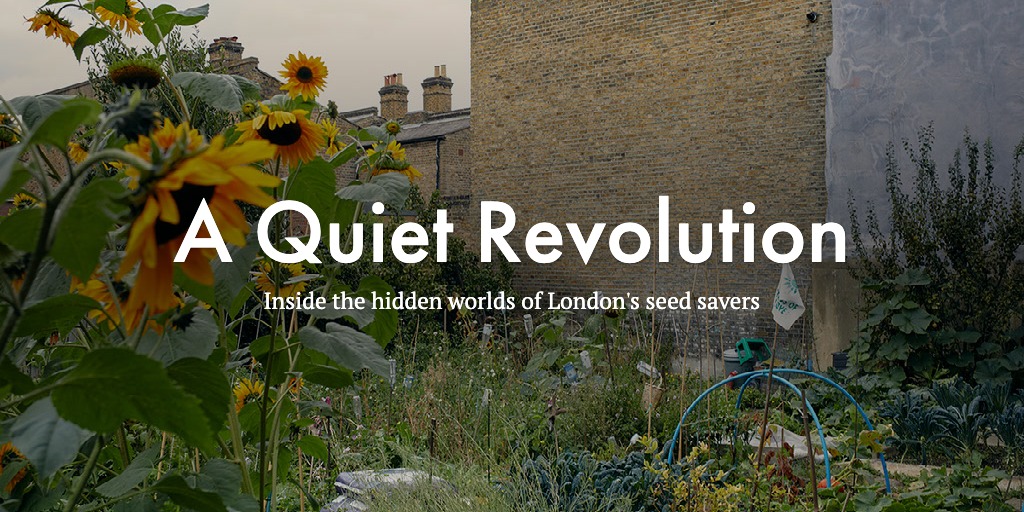
A Quiet Revolution celebrates the work of London’s little-known urban seed savers and the London Freedom Seed Bank, which connects the city’s seed custodians:
Reminds and binds us to those who have come before us and the countless generations that will follow
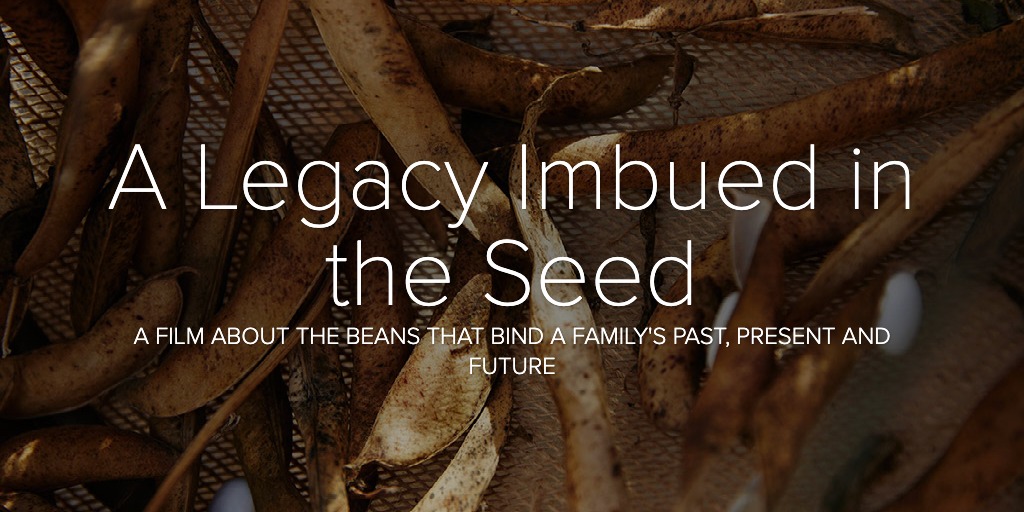
A Legacy Imbued in the Seed follows seed keeper Tamsin Leakey as she strives to sustain the beans bred by her father, determined to start a ‘bean revolution’ in his name:
Revives regional heritage seeds and recipes from the brink of extinction
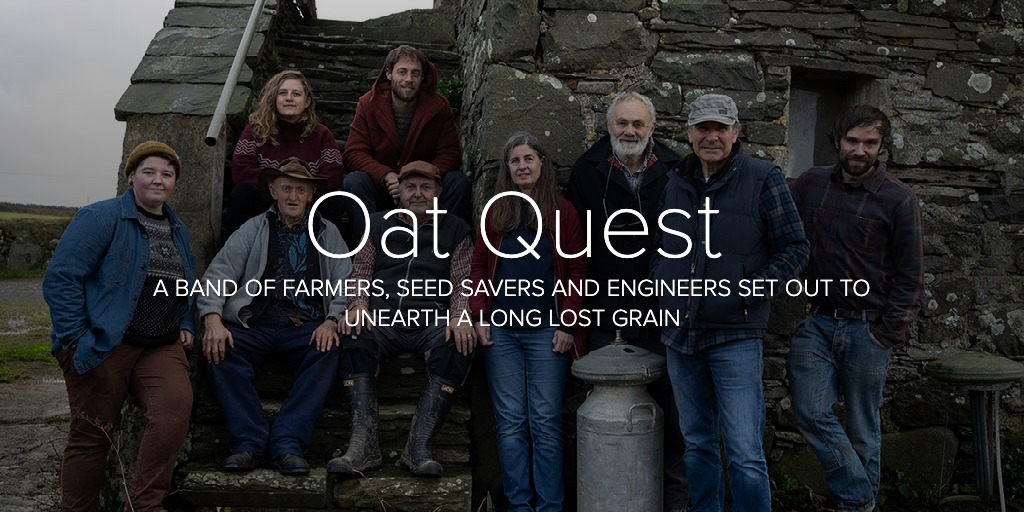
Oat Quest tells the tale of bringing rare Welsh black oats, which thrive in wet Welsh soil, back to fields and kitchens across Wales:
Improves our happiness and mental resilience, even in the most challenging times
The Growing to Seed project, run by Catherine, our Northern Seed Sovereignty Coordinator, evidenced the positive mental wellbeing aspects of seed production:

With the support of our network, the Seed Sovereignty Programme has been addressing the erasure of regionally-adapted, open-pollinated seeds for years. Our regional coordinators are reskilling growers in seed saving, creating seed-sharing networks, reviving ancient crop varieties, and helping market gardeners diversify into open-pollinated seed production.
Discover how the network is standing for open-pollinated seed:

Seed policy, trials, and breeding
Taking action against seed privatisation, genetic modification, chemical fertilisers, and the preference for uniformity over taste and nutrition.

Use your power as a commercial grower, community group member, allotmenteer, or windowsill warrior to stand up for seed.

Our regional coordinators are accompanying communities reclaiming their rights to a climate-resilient food system.