“Scotland has a proud tradition of hardy, resilient seed. It’s been so exciting watching this come alive once again as the seed movement rekindles across the country. Our windswept islands and frosty Highland hills present some of the most challenging growing conditions of our networks; seeing seed sovereignty take root and thrive here is inspiring! Its seed stories, of traditional staples like Bere Barley and the Musselburgh Leek to celebrations of Scotland’s international diasporas like the Granton Gourd, present a portrait of Scotland’s people: diverse, hardy, resilient.”
Sinéad Fortune, Seed Sovereignty Coordinator for Scotland
As Scotland Coordinator for the Seed Sovereignty Programme, Sinéad works alongside growers, seed savers and community groups to nurture regional seed and grain networks and strengthen seed sovereignty across Scotland. She also supports the wider programme’s strategic development, including legislative engagement, partnerships and cross-regional learning opportunities. With experience in food security, community empowerment and social enterprise, her work has centred on community-led food production, sustainable food innovation and supporting grassroots initiatives to thrive.
Sinéad lives in northeast Aberdeenshire, where she enjoys delving into the musical tradition of the area and immersing herself in herbal work.
Email Sinéad: sinead@gaianet.org
Until very recently, Scotland was the only country in the UK without a commercial vegetable seed producer. The last Scottish seed company, D.W Croll of Dundee, closed their doors in the 1980s. Around this time, other Scottish seed companies either closed down or moved “down south”. Growing seeds in Scotland comes with its own set of challenges. The wet weather and often high humidity make getting a seed crop to ripen and dry in the field a difficult task. On the flip side, because of our cooler climate, many pests and diseases are not found here, or are at much lower levels than in England and Wales.
Since the intervention of the Seed Sovereignty Programme, the seed landscape has begun to change in Scotland. Two of our year-long seed production training graduates set up Seeds of Scotland, launched in 2024, selling Scottish heritage varieties as well as those that grow well in a Scottish climate. Another group of graduates formed the Scottish Seed Hub to research and trial Scottish varieties and will soon launch their own catalogue. You can learn more about both groups below.
The seed network in Scotland is vibrant, and its roots are firmly in community; we have a network of very active community seed libraries, training, engaging and connecting with communities across our major cities and many towns. We are also lucky to have a number of progressive, hard-working market gardeners who have also dedicated themselves to seed production, several of whom are now supplying seed to Seeds of Scotland.
The Scottish Seed Hub formed in 2021 as an informal network of the first Scottish graduates of our Year-Long Seed Production Training. The group came together to collaborate on the production and supply of locally adapted seed, responding to a shared need for seed that performs well in Scottish growing conditions.
The SSH has now formalised as a producer co-op and is working towards launching a seed catalogue for early 2027. They are also exploring ways to support more on-farm plant breeding and variety trials to build resilience in the Scottish seed system.
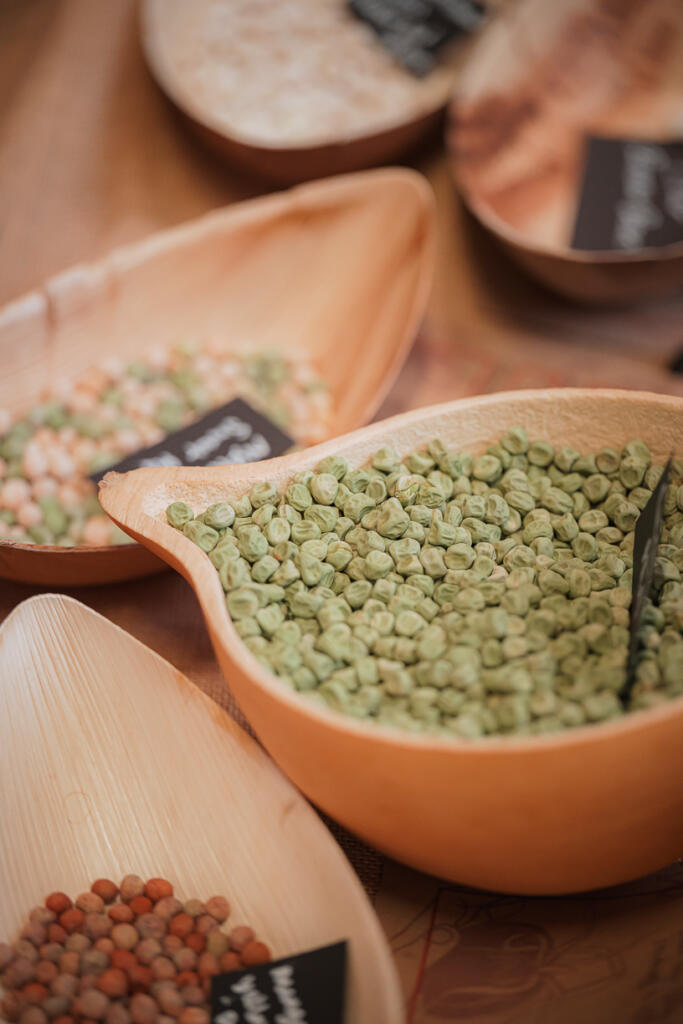
Seeds of Scotland is a Highland-based seed company located just north of Inverness. They started in 2024 after graduating from our year-long seed production training and are active members of the Scottish and UK seed sovereignty movement.
Finlay, Haley and the team at Seeds of Scotland are dedicated to finding and reviving rare Scottish varieties, providing open-pollinated seed designed to thrive in the rugged growing conditions of Scotland.
Each year, their offering of grain, vegetable, and flower seed increases, providing a vital opportunity for Scottish growers to access Scottish-grown, open-pollinated seed.
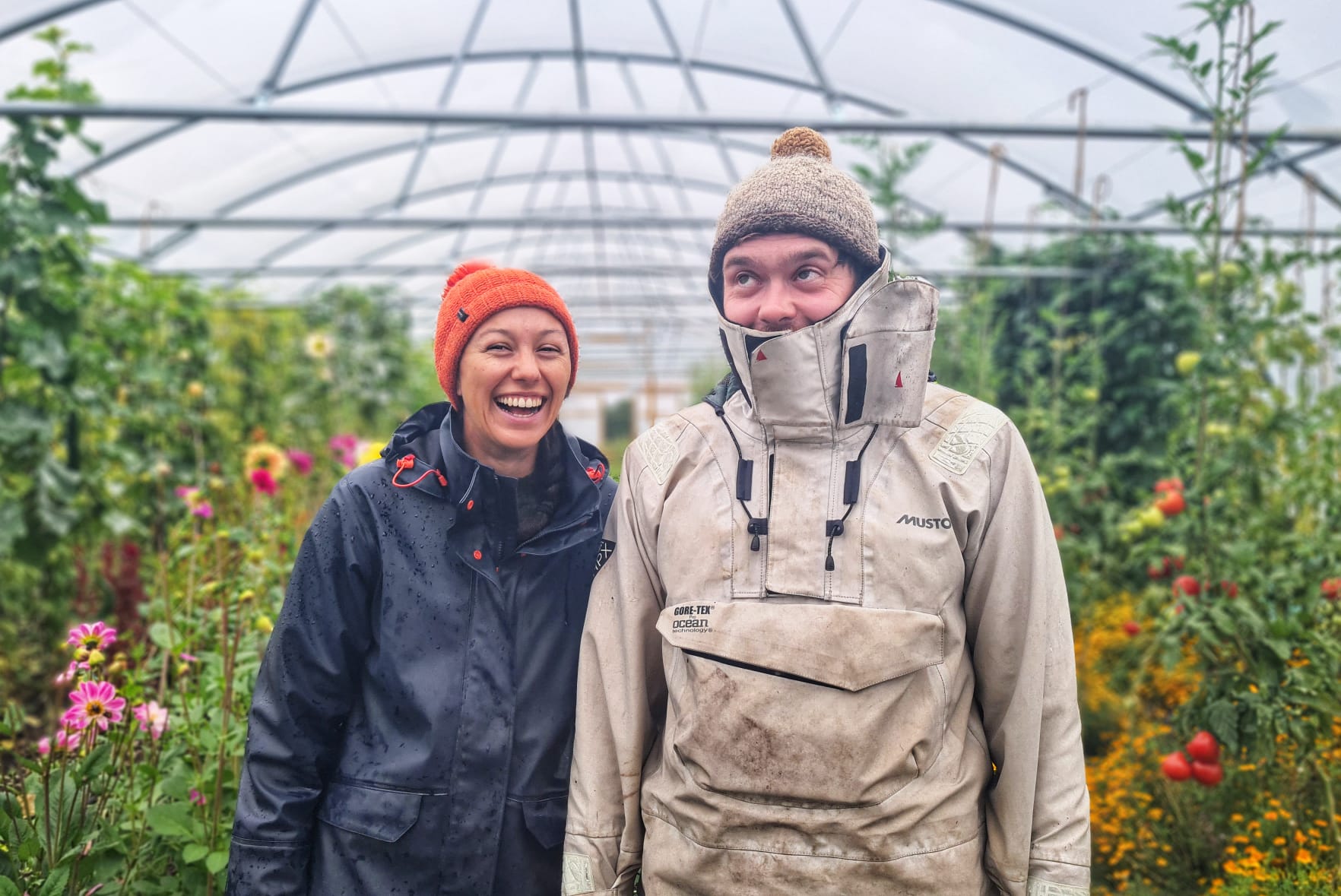
Watch Finlay of Seeds of Scotland on our episode of SeedTV from 2024:
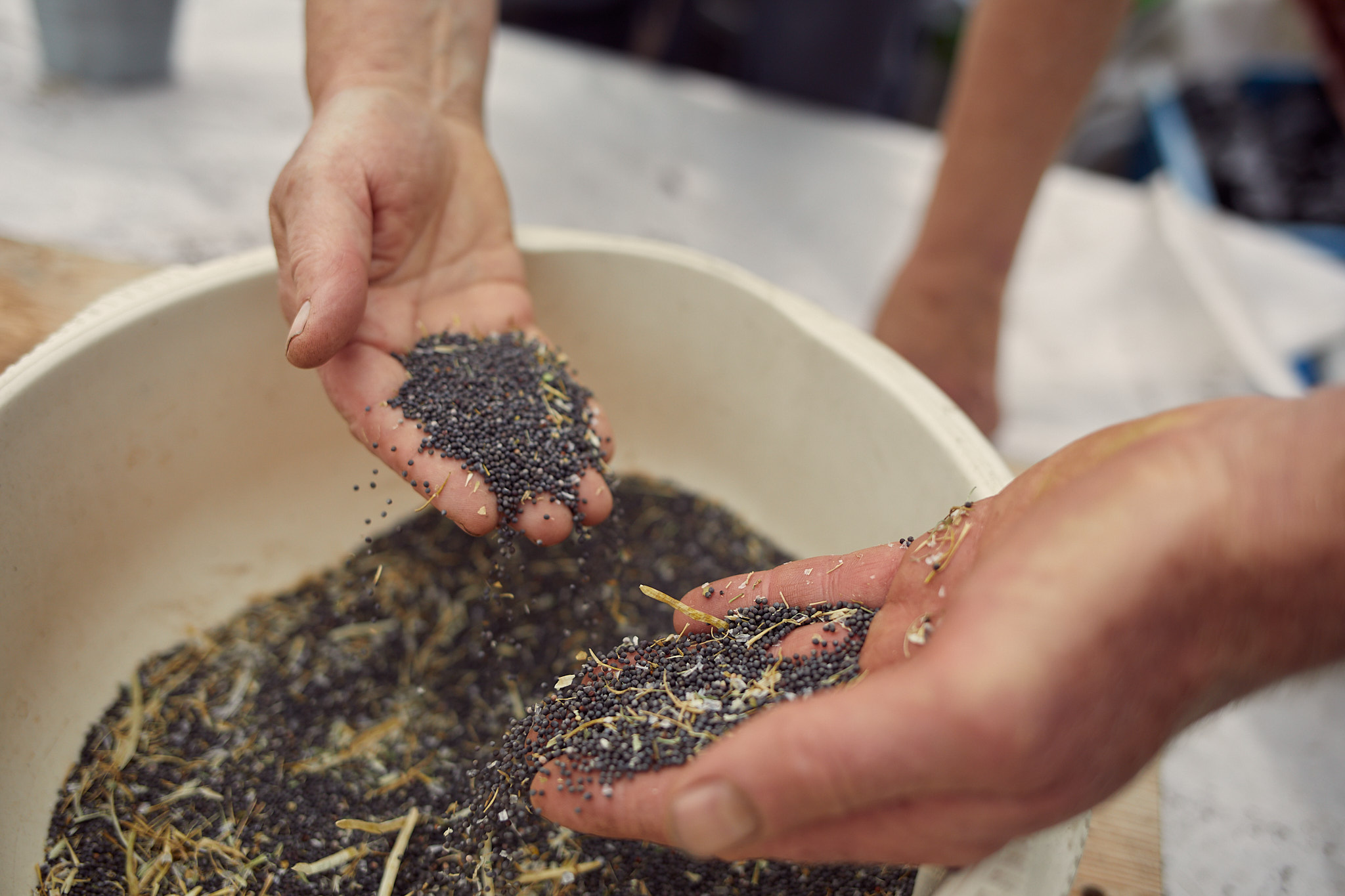
Growing Seed on the Edge of Possibility
Scotland has a vibrant culture of small-scale agroecological grain growers. It is because of these growers that we still have many heritage grains such as Bere Barley and Hebridean rye.
One of the major bottlenecks for our grain growers in bringing their grain to market is the lack of human-scale processing machines. Much of the grain processing equipment in use today is only suited to handling many hundreds of tonnes of grain. We’re currently mapping existing small-scale grain machinery in our network to better understand where machinery hubs might naturally form, as well as where gaps in machinery exist.
The next step is to support the formation of machinery rings in Scotland to improve access to, training in, and availability of small-scale processing machinery for those growing and working with heritage and rare grains. With support from the James Hutton Institute, we explored the feasibility of grain machinery rings in Scotland to inform the next stages of this work.

Viability of Small-Scale Grain Machinery Rings in Scotland
A study prepared in 2025 by Tom Booth for The Gaia Foundation’s Seed Sovereignty Programme, commissioned by the James Hutton Institute.
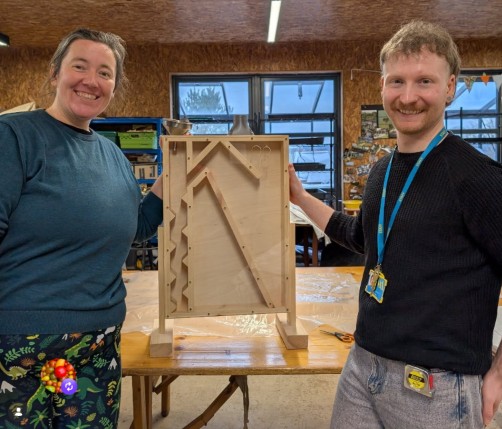
Another way we’re working to plug gaps in the chain is to create new solutions to old problems. The Seed Sovereignty Programme has been working with rye grower, baker and engineer Adam Veitch to develop and build an open-source, human-scale oat de-huller. We hope to develop and release the plans for more human-scale grain processing machines in the coming years.
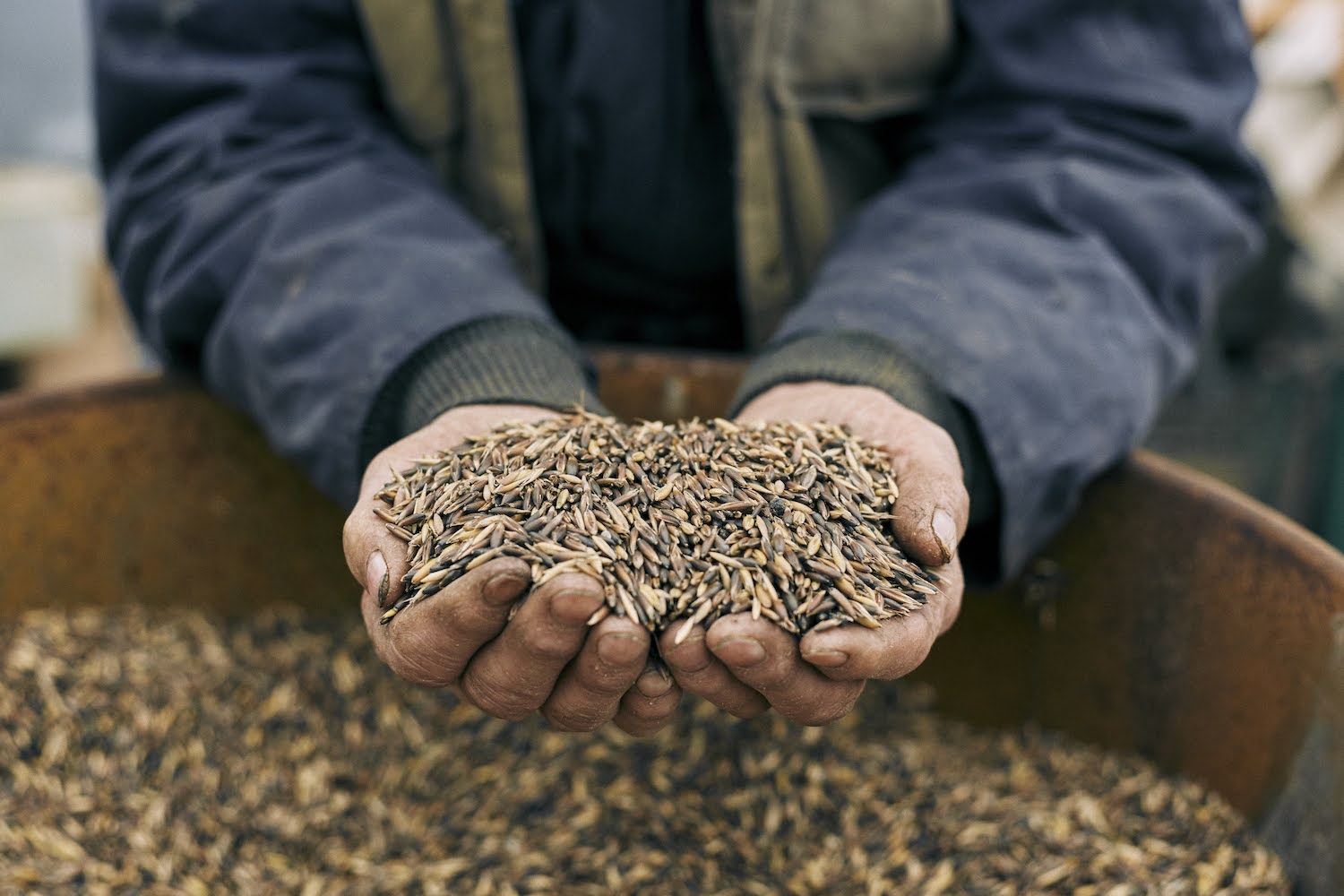
Tiny Oat Collider: Open-Source Dehuller
Tiny Oat Collider © 2021 by Adam Veitch is licensed under Attribution 4.0 International. All resources are free to download.
Supported by the Seed Sovereignty Programme, Common Grains is Scotland’s non-commodity grain network. It is a movement committed to a just, transparent grain system in Scotland which works with nature, nourishes soil and people, and is delicious. It brings together growers (including farmers, crofters, community and individual growers), millers, bakers, researchers and eaters of grain to envision and work towards a fair, welcoming, regenerative grain future in Scotland.
The network spans the whole of Scotland, meaning the variance of growing conditions and challenges can be vast, but so is the diversity of approaches and potential solutions to the issues we face. It meets in person once a year in combination with Seedfest in order to break bread, identify key challenges, and work collaboratively towards solutions.
Common Grains is part of UK Grain Lab, a wider collaboration of grain networks across the UK.
Contact commongrains@gmail.com
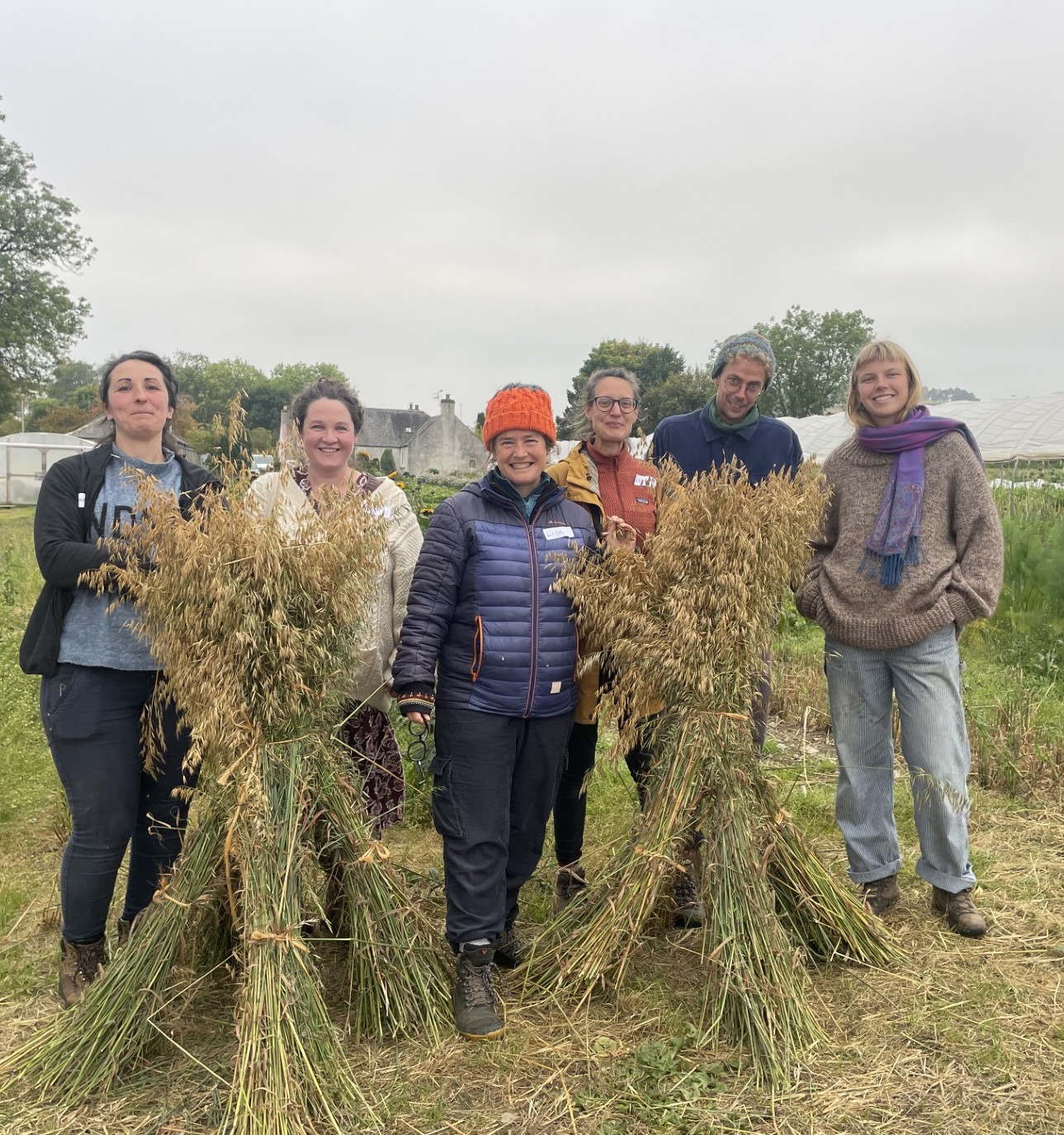
Lauriston Farm is a hundred-acre farm run by a workers’ cooperative that is focused on food growing, biodiversity, and community. Among many other things, Lauriston Farm grows open-pollinated seed and is a member of the Scottish Seed Hub.
Glasgow Community Seed Cooperative is a grassroots project supporting seed sovereignty in Scotland. They aim to create, revive and celebrate practices and cultures of growing, saving and sharing seeds in Glasgow and beyond.
A collaborative project to grow better grain and bake better bread with the common purposes of nourishment, sustainability and food sovereignty.
Perthshire Seed Library is a partnership between the Perthshire Organic Gardeners and Culture Perth and Kinross Libraries, which shares open-pollinated seeds that suit local growing conditions, a library of knowledge and information, plus the experience from local seed library volunteers.
Dundee Seed Savers is a group of seed savers growing, saving, swapping and sharing seeds in Dundee.
The network comes together at least once a year for Seedfest, an opportunity to learn and plan together, take stock of all the work that has gone on over the past year, and celebrate the journey towards seed sovereignty. Contact Sinéad to stay up to date on all Scottish seed news, including Seedfest.
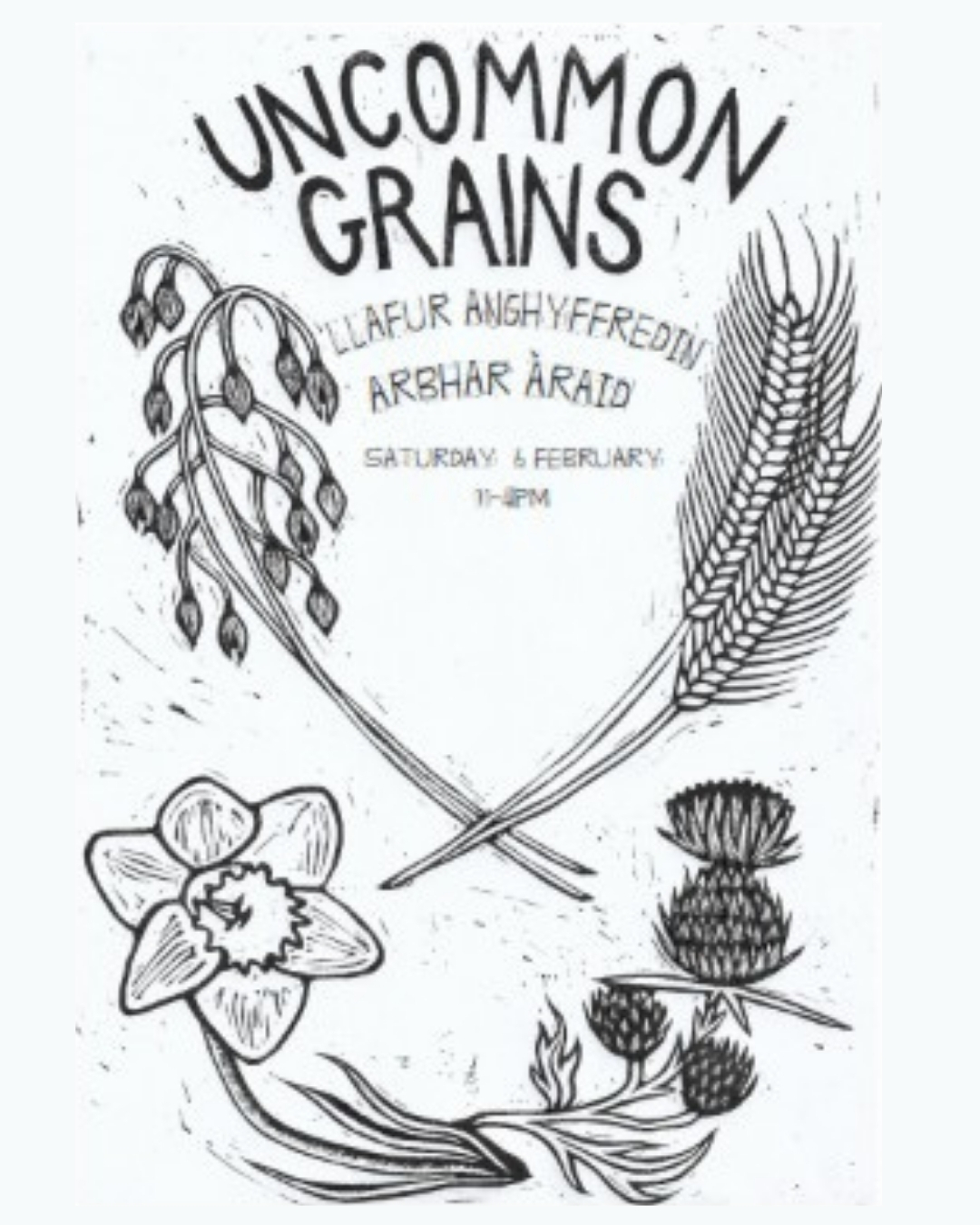
In February 2021, we connected Scotland’s bere barley network with the Welsh black oat network online for Uncommon Grains, a celebration of our unique grain crops and the people who work with them. We plan to host another Uncommon Grains event in the near future.

Scotland Coordinator, Sinéad, delves into the cultural significance of seed.…

Along with Adam Veitch and funding from the Pebble Trust, Seeds…

