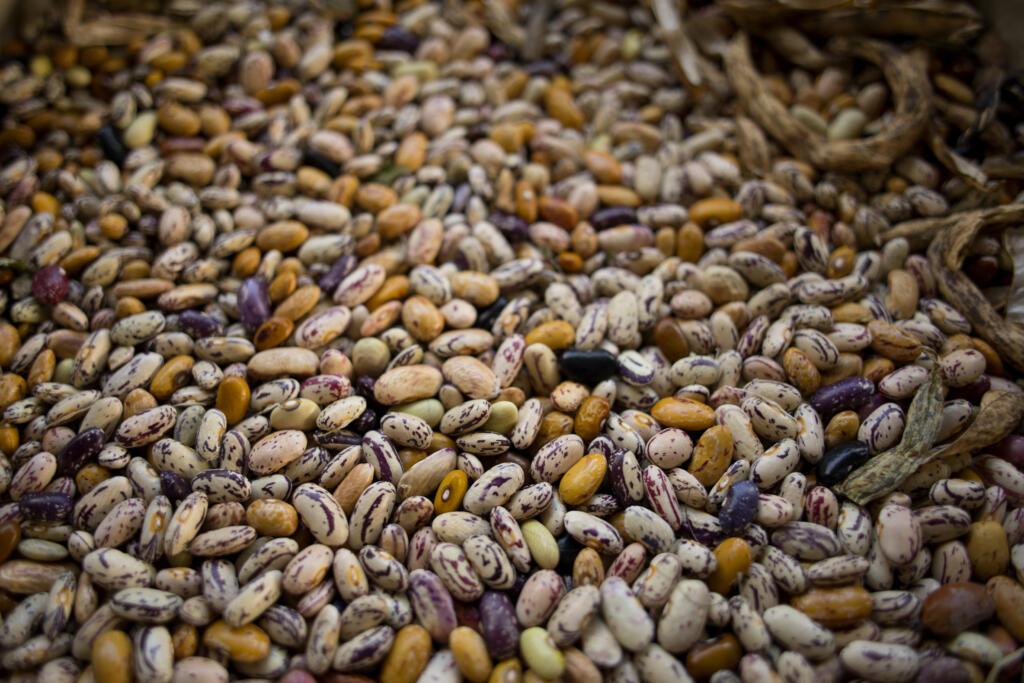
Seed saving is a great way to cultivate and increase varieties in your garden in the cheapest way possible and it is also the best way to protect endangered varieties and heritage plants. Farmers, growers and gardeners can benefit and you can start any time you want. Saving your seeds is a fun, easy and rewarding thing to do.
If you want to take part in reclaiming our seed system, then get out there and have a go. The best way to learn is by doing! You do not need any specialist equipment to start saving seed, but you can use simple tools which are cheap to buy and easily available.
Here, using these resources and crop specific guides you can learn some of the basics to help you get started, but only in doing will you acquire and maintain the living and evolving body of knowledge that is seed saving.
These resources are aimed at commercial growers and home growers alike, so there are varying degrees of depth.
The most useful advice, is to begin small and simple, saving the seed of simple crops, like beans, peas, lettuce and tomatoes. So, take that step into the garden and reconnect with this ancient tradition!
The Seed Sovereignty programme has a coordinator in each region of Britain and Ireland. Our seed coordinators can help you with your questions, give you advice and will be delighted to hear from you if you are interested or involved in saving and producing seed. In particular, they can help you find:
Find your local seed coordinator.
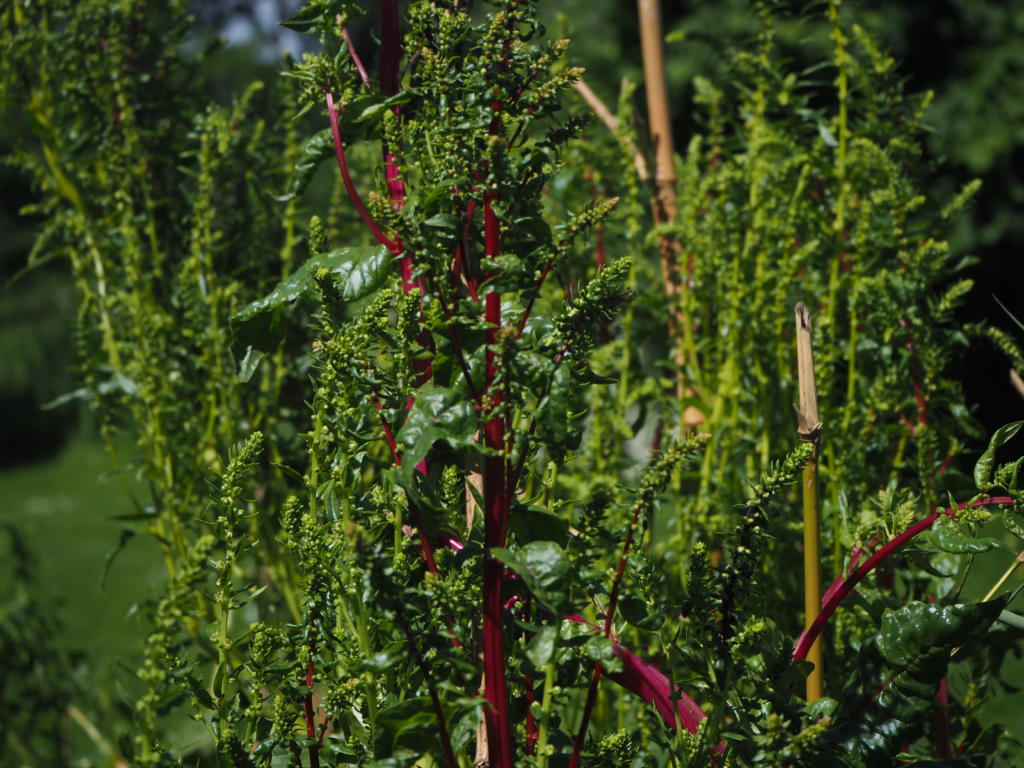
Climate and weather conditions must be taken into account when producing seed. Understanding your local climate can help you take the necessary measures to lessen the effects of rain and other adverse weather conditions. Wet weather can make outdoor seed production difficult for producing dry seeded crops like chard, carrots and parsnips, which don’t have any pods to protect the seeds. Generally, the West and North of the British Isles will be more prone to wet weather and might require seed crops to be grown under cover.
The Organic Seed Alliance have a helpful document here, with guidelines for seed production in adverse weather conditions. The guidelines are aimed at the Northwest region of the USA, which has a fairly similar climate to the UK.
Transition Black Isle in Scotland has a good growing guide and a short section on seed production relevant to those growing further up North.
Crop cultivation for seed production
Variety Selection
Harvesting, processing & storage